Tropical Summer Floral Clipart Review
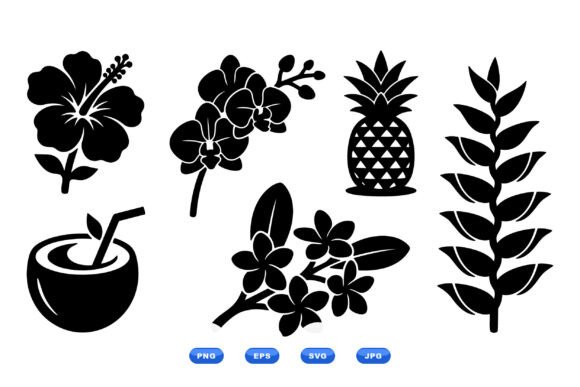
When I first opened the file for Tropical Summer Floral Clipart, my immediate thought wasn't about stitch counts or file formats, but rather the vibe it projects. As a designer who spends hours evaluating assets for client work and personal craft businesses, I look for that specific spark—a design that feels ready to wear. This black silhouette style featuring iconic tropical plants like hibiscus, orchid, plumeria, pineapple, coconut with straw, and leafy branches in simple vector form hits that mark instantly. It creates a mood of relaxed luxury and island escape without feeling cluttered. The simplicity is its greatest strength here; it suggests a clean, modern aesthetic that works beautifully when translated into thread.
From Vector to Thread: A Real-World Test Scenario
Let's imagine a real project scenario. I am preparing a custom embroidered tote bag for a boutique owner who sells beachwear and summer accessories. She needs something that screams "vacation" but maintains a high-end, minimalist look that won't date quickly. Tropical Summer Floral Clipart fits this brief perfectly. Unlike busy, multi-colored floral patterns that can get lost on canvas, these solid black silhouettes promise a bold graphic impact.
I envision stitching this design onto a natural beige canvas tote using a rich, deep charcoal thread instead of pure black to soften the contrast slightly, or perhaps a bright white thread for a crisp, nautical feel. The pineapple and coconut elements add a playful touch that customers love, while the hibiscus and orchid provide elegance. When I picture the finished product hanging in a shop window, the silhouette style ensures the design remains legible even from a distance. It transforms a standard tote into a statement piece that feels curated and professional. For an Etsy seller looking to create a cohesive collection, this design acts as a versatile anchor that ties together various summer-themed items.
Performance on Different Fabrics and Products
The versatility of this design extends far beyond tote bags. In my experience reviewing embroidery files, the ability to adapt to different garments is crucial. This design shines on sweatshirts and t-shirts where a large, centered graphic is desired. The simple vector form means there are no tiny, intricate details that might blur during the stitching process, making it ideal for medium to large hoop sizes.
However, not every surface is created equal. I would be cautious about placing this on textured fabrics like heavy bouclé or very thin, sheer materials where the stability of the stitches could be compromised. On stretchy knits, such as those found in baby clothes or fitted caps, the density of the fill stitches needs to be carefully managed to prevent puckering. If you plan to use this for an embroidered patch, the clean lines of the coconut and leafy branches will cut out beautifully, creating a sharp edge that stands up well against other apparel.
For kitchen towels or pillow covers, the design adds a pop of seasonal decor that feels fresh. The pineapple motif is particularly popular for holiday gifts and nursery decor, offering a gender-neutral option that appeals to modern parents. When used on aprons, the silhouette style holds up well to frequent washing, provided the stabilizer is chosen correctly. The key is matching the thread colors to the fabric texture; dark fabrics demand light threads for visibility, while light fabrics can handle the classic black silhouette for maximum contrast.
Where to Exercise Caution
While the design is robust, there are specific areas where attention to detail is non-negotiable. Small hoop sizes present a challenge; if the design is scaled down too much, the distinct separation between the plumeria petals and the leafy branches might disappear, resulting in a muddy blob. Always test the design at your intended size before committing to a final run.
Dense stitch areas require a sturdy stabilizer. Without proper support, the weight of the thread in the larger shapes could pull the fabric, especially on curved surfaces like caps. The curvature of a hat brim can distort the perspective of the pineapple or coconut, so you may need to adjust the digitization or choose a flatter area of the garment. Additionally, if you are planning to include tiny lettering alongside this graphic, ensure the font size is substantial enough to remain readable after stitching. Decorative accents work best when they complement the main subject rather than competing with it.
Visual Appeal and Customer Trust
In the world of handmade products and commercial embroidery, visual appeal directly correlates with perceived value. Tropical Summer Floral Clipart elevates the presentation of a finished product by providing a clean, professional finish. Customers often associate crisp, well-defined embroidery with quality craftsmanship. When a buyer sees a clear, unblurred silhouette on a personalized gift or a boutique product, their trust in the maker increases immediately.
This design supports brand consistency beautifully. Whether you are creating a series of digital embroidery files or physical merchandise, the consistent black silhouette style allows for easy recognition across different platforms. It works seamlessly in printable mockups, giving potential buyers a clear idea of what the final item looks like before they purchase. The graphic nature of the design makes it highly shareable on social media, driving engagement for creative entrepreneurs and small shop owners.
Furthermore, the theme of tropical plants evokes positive emotions associated with relaxation and joy. This emotional connection enhances the giftability of the item. A baby blanket embroidered with a pineapple and hibiscus design becomes more than just a textile; it becomes a keepsake that tells a story. For holiday embroidery projects, the design offers a unique alternative to traditional winter motifs, perfect for summer weddings or destination events.
Practical Notes for the Embroidery Designer
Before you start stitching, there are several technical steps you must take to ensure success. First and foremost, always test the design on scrap fabric that matches your final material. This allows you to check thread color contrast and inspect small details like the tips of the leaves or the texture of the pineapple skin. Review the stitch density to ensure it isn't too heavy for the fabric type; if it is, consider adjusting the settings or choosing a lighter stabilizer.
Confirm your hoop size early in the process. If the design is larger than your machine's hoop, you will need to reposition the fabric, which can lead to alignment issues. Inspect the small details closely; sometimes, vector forms need slight adjustments when converted to embroidery files to maintain their shape. Test the design in black and white mockups to verify that the contrast holds up visually, regardless of the actual thread colors you choose.
Don't forget to compare how the design looks on both light and dark fabric backgrounds. While the black silhouette looks striking on white, it may need to be reversed or outlined differently for dark garments. Use the proper stabilizer for your specific project—cutaway for stable wovens and tear-away for knits, depending on the tension required. Finally, confirm whether the license allows for both personal and commercial projects. If you intend to sell finished items or digital products, understanding the terms of use is essential to protect your business.
If the product description does not specify exact stitch counts, file formats, or machine compatibility, do not guess. Reach out to the creator or check the download page for these critical details. Proper preparation is the difference between a frustrated project and a stunning finished product. By taking the time to evaluate Tropical Summer Floral Clipart through this practical lens, you ensure that your embroidery work remains high-quality, professional, and ready for the market.