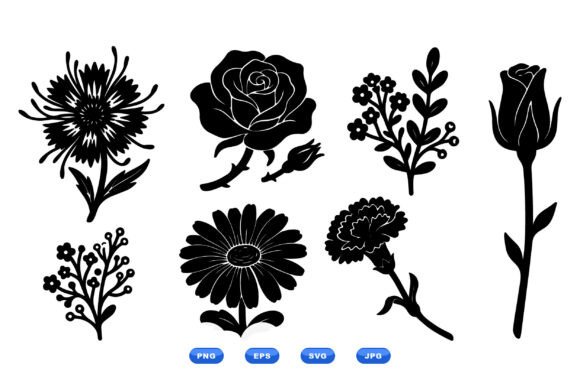
Floral Silhouette Clipart Pack Review
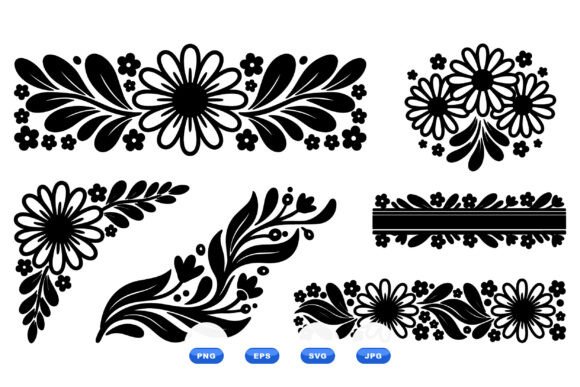
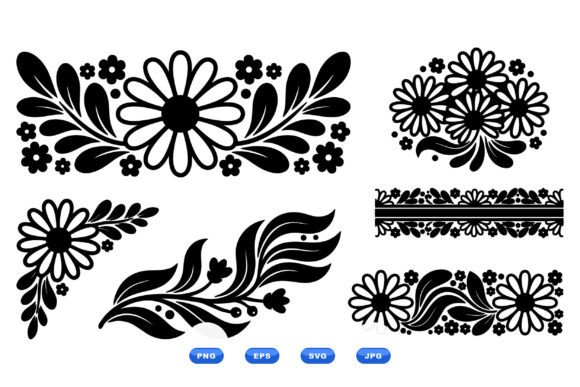
As a designer who has spent years translating digital graphics into tangible, stitched masterpieces, I approach every new asset with a mix of excitement and skepticism. The Floral Silhouette Clipart Pack caught my eye not just for its aesthetic appeal, but for the specific promise it makes to the modern craft business owner. It offers flat silhouette vector displays of seven distinct floral motifs: rose bud, daisy, carnation, and chrysanthemum, alongside others. This collection is marketed for branding prints and stationery, but the real question for us is whether it holds up when transferred from a screen to a needle and thread.
When I first opened the ZIP file containing the SVG, EPS, and PNG formats, the immediate impression was one of clean, uncluttered confidence. Unlike busy, detailed botanical illustrations that often lose their definition during the digitizing process, these silhouettes rely on strong shapes. They possess a visual personality that feels both vintage and contemporary. For an embroidery project, this simplicity is a double-edged sword; it requires careful handling of stitch density and edge finishing to avoid looking like a cheap print rather than a premium handmade product.
I recently tested this design in a real-world scenario: creating a custom embroidered tote bag for a local boutique client. The goal was to produce a series of limited-run bags featuring subtle, elegant branding that would stand out without overwhelming the canvas. I selected the Floral Silhouette Clipart Pack as the centerpiece. The challenge lay in ensuring that the flat vector shapes translated into a rich, textured embroidery design that felt substantial enough to justify a higher price point.
From Vector to Thread: Real-World Performance
The transition from a digital file to a finished product hinges on how well the design accommodates different stitching techniques. In my test run on heavy cotton canvas for the tote bag, the silhouette shapes performed exceptionally well as fill stitches. Because the designs are flat and solid, they allow for a consistent satin or tatami fill pattern that creates a smooth, professional surface. There were no jagged edges or unexpected gaps where the thread failed to cover the fabric.
However, the performance varies depending on the garment type. For custom apparel like sweatshirts or t-shirts, these floral motifs work beautifully as chest logos or back prints. The clean lines ensure that the embroidery remains legible even after multiple washes. When applied to baby clothes, the lack of tiny, intricate details means there is less risk of the stitches becoming scratchy against sensitive skin, provided you use the correct stabilizer and thread tension. The soft curves of the rose bud and daisy flow naturally across curved surfaces, making them ideal for caps and hats where the fabric bends.
For small shop products like aprons and kitchen towels, the versatility of the pack shines. A single motif can be used as a decorative accent on the corner of a tea towel, while a cluster of the carnation and chrysanthemum silhouettes could form a bold border on an apron. The vibrant nature of the potential color combinations allows for creative freedom. You can choose high-contrast thread colors for a modern look or muted tones for a rustic, farmhouse aesthetic. This adaptability is crucial for Etsy sellers and creative entrepreneurs who need to create cohesive collections that appeal to diverse customer tastes.
Navigating Fabric and Stitching Challenges
While the Floral Silhouette Clipart Pack is robust, it is not without its limitations. There are specific scenarios where caution is required. If you are working with small hoop sizes, such as those used for jewelry or very small patches, the sheer number of petals in the chrysanthemum or the density of the carnation might require simplification. Trying to cram too much detail into a tiny area can lead to puckering or thread breaks.
Textured fabrics present another hurdle. While the design works well on smooth canvases and cottons, applying it to heavily textured materials like bouclé or thick fleece can obscure the clean lines of the silhouette. Thin fabrics, particularly stretchy knits, demand extra attention. Without proper stabilization, the tension of the fill stitches can cause the fabric to pucker, ruining the intended shape of the flower. Similarly, dark fabrics require a decision on underlay. If you skip the underlay step, the thread colors may not pop, and the silhouette might look muddy rather than crisp.
Dense stitch areas are also a consideration. If you plan to use this design for commercial embroidery projects where speed is essential, remember that large fill areas take time to stitch. Balancing stitch density with production efficiency is key. Furthermore, if you are creating layered garments or items that will undergo frequent washing, the longevity of the design depends on your choice of thread and stabilizer. A poorly stabilized design might shift over time, distorting the symmetry of the floral shapes.
Visual Appeal and Brand Consistency
In the world of handmade products and personalized gifts, visual appeal directly impacts customer trust and perceived value. The Floral Silhouette Clipart Pack elevates the finished product by offering a level of professionalism that generic clip art often lacks. The clean geometry suggests intention and care, which resonates with buyers looking for quality. When used in branded merchandise, such as boutique labels or wedding favors, these designs convey a sense of timeless elegance.
For digital product sellers, the inclusion of SVG and EPS files is a significant advantage. These formats allow for easy resizing and manipulation in design software before digitizing. You can create printable mockups that showcase the embroidery design in various settings, helping potential customers visualize the final result. This transparency boosts buyer engagement and reduces returns due to mismatched expectations.
However, the design's success also relies on how it is presented. A flat silhouette needs texture to come alive. Using varied thread colors, perhaps mixing metallics with matte threads, can add depth to the simple shapes. This technique transforms a basic graphic into a luxurious embellishment, enhancing the giftability of the item. Whether it is a holiday gift or a custom piece of decor, the ability to customize the thread palette ensures that each project feels unique.
Practical Designer Notes for Success
Before committing to a full production run, I strongly advise testing the design on scrap fabric first. This step is non-negotiable for any serious embroiderer. Check the thread color contrast against your chosen fabric to ensure visibility. Review the stitch density settings in your digitizing software; if the density is too high, the fabric may become stiff, but if it is too low, the design may look sparse.
Confirm your hoop size relative to the design dimensions. If the design exceeds the hoop capacity, you will need to split the file or adjust the placement. Inspect small details closely, especially if you plan to use the design on delicate items. Test it in black and white mockups to see how the shapes hold up without the distraction of color. Compare light and dark fabric backgrounds to determine the best underlay strategy.
Always use proper stabilizer tailored to your fabric type. For knit fabrics, a cut-away stabilizer is often necessary to prevent distortion. Verify whether the license terms allow for commercial use if you intend to sell finished items. Some digital embroidery files have restrictions on resale, so reading the fine print is essential for protecting your craft business. Finally, consider how the design fits into your broader brand identity. Does the floral theme align with your shop's aesthetic? If it does, the Floral Silhouette Clipart Pack can be a powerful tool for expanding your product line.
In conclusion, this collection is a valuable asset for anyone looking to elevate their embroidery projects. It strikes a balance between artistic flair and practical application, making it suitable for everything from personal hobbyist projects to high-volume commercial production. By paying attention to the nuances of fabric, stitch density, and presentation, you can turn these simple silhouettes into stunning, market-ready products that customers will love.