Floral Lighthouse Tropical: A Designer's Real-World Review
As someone who has spent years reviewing machine embroidery designs for everything from boutique branding to custom gifts, I know that the difference between a good project and a great one often comes down to the specific design file you choose. Today, I am looking at a unique entry in the Graphics category titled Floral Lighthouse Tropical. At first glance, this file promises a blend of coastal charm and botanical beauty, but does it hold up when applied to real-world stitching projects? This review is not just about the aesthetic; it is about how this design behaves on fabric, how it impacts your finished product value, and whether it deserves a spot in your commercial library.
The First Impression: Mood and Visual Personality
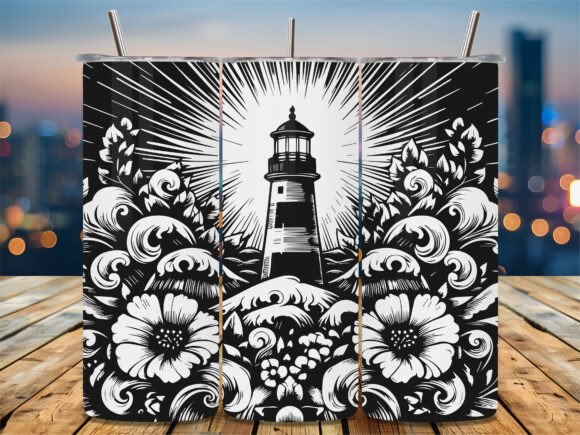
When I first opened the preview for Floral Lighthouse Tropical, the immediate feeling was one of relaxed elegance. It captures a specific coastal vibe without being overly cliché. The layout suggests a lighthouse standing tall amidst tropical foliage, creating a strong focal point that naturally draws the eye. For an embroidery designer, the initial assessment is always about balance. Does the negative space allow the stitches to breathe? Does the theme feel cohesive?
This design feels like it belongs in a summer collection or a vacation-themed shop. The combination of the sturdy lighthouse structure with the softer, flowing lines of the tropical flowers creates a nice contrast in visual weight. It screams "handmade product" because it evokes a sense of place. Whether you are an Etsy seller looking to create a seasonal listing or a crafter making a personalized gift, the mood here is inviting and warm. It avoids the sterile look of mass-produced graphics and leans into the artisanal feel that customers love.
Real-Life Application: From Screen to Stitch
Let's talk about where this design actually shines in a practical scenario. Imagine you are preparing for a craft fair or launching a new line of tote bag designs for the summer season. You need something that stands out on a canvas bag but also looks professional on a cotton apron. Floral Lighthouse Tropical fits these applications beautifully.
I envision this design stitched onto a heavy-duty tote bag using a vibrant thread palette. The lighthouse could be rendered in deep navy or crisp white, while the tropical elements pop with coral, lime, or turquoise threads. Because the design has distinct shapes, it works well as a standalone statement piece on the front of a sweatshirt or a baby onesie. The visual appeal is high enough to justify a premium price point, which is crucial for any craft business owner trying to build brand consistency.
Furthermore, this file is versatile enough for home decor. Picture it embroidered on a linen pillow cover or a kitchen towel. The nautical yet floral theme bridges the gap between traditional coastal decor and modern botanical trends. If you are selling holiday embroidery items or wedding gifts, this design offers a timeless quality that won't feel dated in a few months. It adds a layer of sophistication to custom apparel that generic patterns simply cannot achieve.
Where to Exercise Caution: Technical Limitations
While the aesthetic is strong, every experienced maker knows that what looks good on a screen can sometimes struggle on a machine. There are specific scenarios where Floral Lighthouse Tropical requires careful handling. If you are working with small hoop sizes, you must ensure the design scales correctly without losing the delicate details of the floral leaves or the architectural lines of the lighthouse.
Texture is another factor. On highly textured fabrics like chunky knits or bouclé, the definition of the design might get lost. Similarly, if you are working with thin or stretchy fabrics without proper stabilization, the tension of the satin stitch areas could cause puckering. This is particularly important if you plan to use this on apparel decorators items like caps or fitted t-shirts where the surface is curved. The density of the fill stitches needs to be reviewed to ensure they don't distort the fabric.
Also, consider the environment where the final product will live. If you are creating embroidered patches or items meant for frequent washing, you need to verify that the design isn't too dense in areas that require flexibility. Dense stitch areas can make a garment feel stiff, which affects the wearability of the finished product. Always test the design on scrap fabric that matches your intended material to check for these potential issues before committing to a large production run.
Stitching Clarity and Thread Choices
The success of this design relies heavily on your choice of thread colors. To maintain the clarity of the running stitch outlines and the smoothness of the fill areas, you need high-quality embroidery floss. A poor color contrast can turn a stunning image into a muddy blob. I recommend testing the design in black and white mockups first to see how the light and dark values interact. This step is vital for ensuring that the design remains legible regardless of the background fabric color.
If you are using this for commercial embroidery, pay close attention to the stitch density. High-density designs look professional but can be time-consuming to stitch and may require multiple layers of stabilizer. Conversely, low-density designs might look sparse on certain materials. Floral Lighthouse Tropical appears to have a balanced approach, but verifying the actual stitch count and density in your software is a non-negotiable step for any serious designer.
Practical Notes for the Professional Maker
Before you hit the start button on your machine, there are several checklist items that separate a hobbyist from a pro. First, always test the design on scrap fabric. This simple step saves you from ruining expensive materials and helps you dial in your tension settings. Second, confirm your hoop size matches the design dimensions. Using a hoop that is too small forces the machine to cut corners, while one that is too large can lead to misalignment.
Don't forget to inspect the small details. In a complex design like this, tiny elements can get caught in the needle or disappear entirely if the resolution isn't right. If you are selling digital products or design assets, ensure you have the correct licensing terms. Are you allowed to sell the finished physical items? Can you modify the file? These legalities are just as important as the technical execution.
Finally, think about the customer experience. When a buyer receives a personalized gift or a boutique product featuring Floral Lighthouse Tropical, the quality of the stitching reflects directly on your reputation. A clean, precise application builds trust and encourages repeat business. The design should feel intentional and polished, not rushed or sloppy.
Final Thoughts on Value and Versatility
In conclusion, Floral Lighthouse Tropical is a compelling addition to the toolkit of any creative entrepreneur. It offers a unique blend of themes that resonates with a wide audience, from beach lovers to garden enthusiasts. Its ability to elevate a simple item like a tea towel into a cherished keepsake makes it a valuable asset for Etsy sellers and small shop owners alike.
However, remember that the best design file is only as good as the execution. By paying attention to fabric selection, stabilizer usage, and thread contrast, you can ensure that this design delivers the professional results it promises. Whether you are creating a single custom apparel piece for a friend or building a full line of small shop products, this design has the potential to be a standout star in your portfolio. Just take the time to test, refine, and execute with care, and you will find that Floral Lighthouse Tropical is more than just a graphic—it is a foundation for successful, profitable projects.