Minimal Flower Line Art SVG: A Designer's Real-World Review
When I first opened the Minimal Flower Line Art SVG file, my initial reaction wasn't about the file formats or the price point. It was about the mood. In a sea of complex floral arrangements and heavy fill stitches that dominate the machine embroidery market, this design stands out for its restraint. It feels like a deep breath of fresh air in a crowded craft room. As someone who has spent years turning digital files into tangible products for clients, I know that the difference between a good design and a great one often lies in how well it translates from screen to fabric.
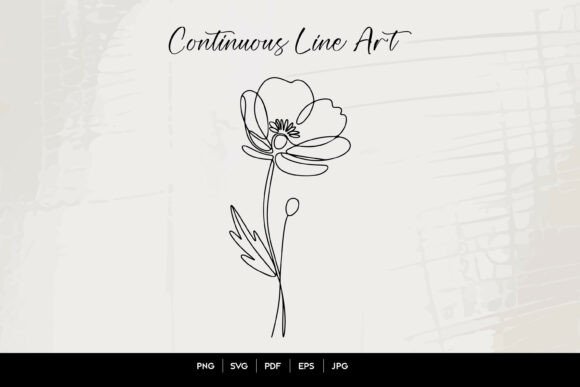
This isn't just another graphic; it is a machine embroidery design with a specific personality. The continuous line work suggests elegance without demanding perfection. It whispers rather than shouts. For an embroiderer looking to create a custom apparel piece or a boutique item, this design offers a level of sophistication that appeals to modern buyers who appreciate clean aesthetics. But does it hold up under the needle? That is the real question.
From Digital File to Finished Product
I recently put the Minimal Flower Line Art SVG to the test on a project that mirrors what many Etsy sellers and small business owners face daily. The goal was to create a personalized gift set: a linen tea towel paired with a matching kitchen apron. The client wanted something romantic but not overly fussy, suitable for a housewarming party. The continuous line art style of the flower was perfect for this application.
The moment I loaded the file into my digitizing software, the workflow felt smooth. The vectors were clean, which is crucial when you are dealing with running stitch techniques. Unlike dense fill stitches that can distort thin fabrics, this design relies on open space and delicate lines. On the linen tea towel, the result was stunning. The negative space allowed the texture of the fabric to show through, creating a layered effect that looked incredibly professional. It didn't look like a sticker slapped onto cloth; it looked like an integral part of the product.
However, the success of this embroidery project depended heavily on thread selection. Because the design is so minimal, the choice of thread color becomes paramount. I opted for a soft sage green against the natural beige linen. If I had used a stark black thread, the subtlety would have been lost. The design thrives on contrast, but it needs a sophisticated kind of contrast. This makes it an excellent choice for handmade product lines targeting customers who value boho or botanical themes.
Where This Design Shines
In my experience reviewing various graphics and Crafts assets, certain designs are versatile enough to be adapted across multiple product categories. The Minimal Flower Line Art SVG falls squarely into this category. Its simplicity allows it to adapt to almost any surface where embroidery is viable.
For those running a craft business, this design is a goldmine for apparel decorators. Imagine placing this single, elegant bloom on the chest of a high-quality cotton sweatshirt. It adds a touch of luxury without overwhelming the wearer. It works beautifully on baby clothes too, where smaller details are often preferred over large, heavy patches that might irritate sensitive skin. The stitch density appears low, which means less bulk and more comfort for the end user.
It is also ideal for embroidered patch applications. If you cut the design out and add a border, it creates a chic badge that could be sewn onto denim jackets or canvas tote bags. For Etsy sellers, this type of design is highly marketable because it fits the current trend of "quiet luxury" and minimalist home decor. Customers browsing for holiday gifts or wedding gifts often gravitate toward designs that feel timeless rather than trendy.
Furthermore, the versatility extends to digital product previews. When creating printable mockups for your shop listings, this design renders crisply. It looks sharp whether displayed on a dark background or a light one, making it easier to create cohesive branding for your small shop product line.
Practical Challenges and Where to Proceed with Caution
While I am generally optimistic about this design, no review is complete without addressing potential pitfalls. As an experienced designer, I always advise testing before committing to a full production run. There are specific scenarios where the Minimal Flower Line Art SVG requires careful handling.
First, consider the hoop size. Because the design relies on fine lines, attempting to stitch it in a very small hoop can lead to distortion. The tension required to keep the fabric taut in a tiny area might cause the delicate petals to pucker. If you plan to use this on a cap or a curved surface, you must ensure your machine can handle the curvature without compromising the line integrity. Curved surfaces are notoriously difficult for line art, as the perspective shifts can make the lines appear uneven.
Fabric choice is equally critical. While linen and cotton poplin are ideal, stretchy fabric like jersey can be problematic unless stabilized correctly. Without a strong stabilizer, the continuous lines may stretch out during stitching, losing their intended shape. Similarly, on textured fabrics like bouclé or thick fleece, the fine details of the flower might get lost in the pile of the material. The design needs a relatively smooth surface to truly shine.
Another consideration is the durability of the finished product. Designs with extensive running stitch areas can sometimes snag if the thread quality is poor or if the thread colors chosen do not match the strength of the fabric. For items that will undergo frequent washing, such as kitchen towels or sweatshirt embroidery, it is wise to check the thread count and ensure the design isn't too sparse, which could lead to unraveling over time.
Designer Notes for Success
If you are ready to incorporate the Minimal Flower Line Art SVG into your workflow, here are some practical steps to ensure a successful outcome. First, always test the design on scrap fabric that matches your final project material. This allows you to see how the fill stitch (if added) or the running stitch interacts with the weave of the cloth.
Check your thread color contrast carefully. Since the design is monochromatic in nature, using a thread color that blends too much with the fabric can make the design invisible, while a color that clashes can ruin the aesthetic. Try converting your mockup to black and white to visualize the contrast levels before cutting the fabric.
Inspect the small details closely. Sometimes, when converting a vector to an embroidery file, tiny nodes can get created that don't stitch well. Zoom in and verify that the curves are smooth. Also, confirm your licensing terms. Are you allowed to sell finished items made with this design? Do you need a commercial license for your digital embroidery file usage? These legal nuances vary by creator, so reading the fine print is essential for any commercial embroidery venture.
Finally, think about the story you want to tell. A minimal flower design is often about simplicity and grace. Ensure your packaging and presentation match that vibe. A beautifully embroidered pillow cover with this design deserves to be presented in a way that highlights its elegance, perhaps with simple, neutral wrapping that lets the botanical theme take center stage.
Ultimately, the Minimal Flower Line Art SVG is a tool that rewards patience and precision. It is not a design for the hurried maker who wants a quick fix; it is for the artisan who understands that true beauty often lies in the spaces between the lines. Whether you are creating a personalized gift for a loved one or building a brand around home decor, this design offers a reliable foundation for creating something special.