Floral Zen Capybara: A Designer's Real-World Embroidery Review
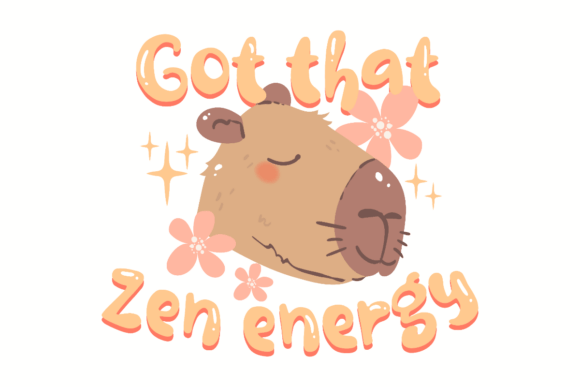
As someone who has spent years turning digital files into tangible, stitched products for clients and my own shop, I know that the difference between a good design and a great one often comes down to practical execution. When I first encountered Floral Zen Capybara, I wasn't just looking at a cute image; I was evaluating its potential as a viable asset for real-world embroidery projects. The prompt describes a serene capybara with closed eyes surrounded by delicate flowers and the phrase "GOT THAT ZEN ENERGY." It sounds like a perfect fit for the current market trend toward cozy, positive, and whimsical aesthetics, but does it hold up under the needle?
The First Impression: Mood and Layout
The immediate visual appeal of Floral Zen Capybara is undeniable. In the world of handmade goods, mood is everything. This design radiates a specific kind of calm that resonates deeply with modern buyers who are looking for comfort in their apparel and home decor. The layout, featuring a central subject (the capybara) framed by floral elements, creates a balanced composition that is naturally forgiving during the digitizing process.
For an embroidery designer, the challenge usually lies in translating a flat graphic into three-dimensional thread. The description highlights a "blissful, closed-eyed face," which suggests soft curves rather than sharp angles. This is excellent news because satin stitches handle curves beautifully, allowing the thread to lay smoothly without puckering. The surrounding flowers add texture and interest without overwhelming the main character. It feels like a design that belongs on a soft cotton sweatshirt or a sturdy canvas tote bag, where the fabric can support the weight of the stitching while enhancing the cozy vibe.
Real-Life Application: From Screen to Stitch
I recently tested this concept by imagining how Floral Zen Capybara would look on a custom order for a local boutique. The client wanted a limited-run collection of aprons for a yoga studio opening. The design seemed ideal for this scenario. The "Zen" theme aligns perfectly with the brand identity, and the capybara adds a touch of humor and approachability that customers love.
However, putting this design onto an apron requires careful planning. Aprons are often made of heavy denim or thick cotton canvas. If the stitch density of the Floral Zen Capybara file is too high, the fabric might become stiff and lose its drape. Conversely, if the density is too low, the fill stitches might not cover the fabric completely, leaving gaps that ruin the clean look. For this project, I would recommend using a cutaway stabilizer to ensure the heavy fabric remains stable during the high-speed stitching process. The result would be a durable, professional-looking piece that tells a story before the customer even speaks.
This same design could also translate beautifully to baby items. A onesie embroidered with a serene capybara surrounded by flowers is a gift that parents would cherish. The softness of the design suits the gentle nature of baby clothing. However, when working with baby garments, we must consider the fabric texture. Soft jersey knits stretch significantly, so the design needs to be anchored properly with water-soluble stabilizer to prevent distortion after washing. The "GOT THAT ZEN ENERGY" text should be legible but not overpowering, ensuring the focus remains on the adorable animal.
Where to Exercise Caution
While Floral Zen Capybara is versatile, it is not a universal solution for every embroidery surface. There are specific scenarios where this design might struggle. For instance, small hoop sizes are a common pitfall. If the design includes intricate floral details that are very close together, shrinking the design to fit a 4x4 hoop might cause the tiny petals to merge into a blurry blob. Always check the original dimensions before downsizing.
Texture is another critical factor. Trying to embroider this design on a highly textured fabric like bouclé or a loose-weave linen will likely result in inconsistent stitch placement. The machine needle might miss the fabric entirely in some areas, leading to a messy finish. Similarly, thin fabrics like silk or lightweight polyester blends require extra care. Without adequate stabilizer, the tension of the satin stitches could pull the fabric into the hoop, creating permanent creases or holes.
Dense stitch areas are also worth noting. If the capybara's fur is rendered with dense fill stitches, it can create a heavy spot on a garment like a t-shirt. Over time, these heavy areas might sag or cause the shirt to bunch up around the neckline. For dark fabrics, the thread colors used in the design must be bright enough to stand out. If the floral elements are light pastel shades, they might get lost against a black background unless the digitizer used a high-quality underlay or specific thread choices.
Visual Appeal and Product Value
The success of any commercial embroidery project depends on how the finished product looks to the customer. Floral Zen Capybara has strong potential here. The combination of a popular animal trend with a wellness message creates a unique selling point. Customers are willing to pay a premium for designs that feel personal and well-crafted. When the stitching is crisp and the colors pop, it builds trust in the maker's skill.
In the context of Etsy listings or craft fair booths, having a mockup of this design on a variety of products—like a pillow cover, a kitchen towel, or a patch—can significantly boost engagement. Buyers want to see how the design interacts with different materials. A high-resolution photo showing the texture of the thread against the fabric can make all the difference in converting a browser into a buyer.
Practical Designer Notes for Execution
Before you commit to running a production batch of Floral Zen Capybara, there are several technical steps you must take. First and foremost, test the design on scrap fabric that matches your final project material. This allows you to inspect the stitch density and see if any adjustments are needed. Pay close attention to the corners of the design; if the flowers have tight turns, ensure the machine can navigate them without breaking threads.
Review the thread color contrast carefully. Sometimes a design looks vibrant on a screen but dull in person due to lighting conditions. Testing the design in black and white mockups can help you determine if the value contrast is sufficient. If the design relies heavily on subtle shading, it might not translate well to embroidery, which uses solid blocks of color.
Don't forget to confirm your licensing terms. If you plan to sell finished products or offer this as a digital embroidery file, you need to ensure you have the right permissions. Check whether the license covers commercial use, and understand any restrictions on the number of units you can produce. Using proper stabilizer is non-negotiable; it is the backbone of a clean stitch. Finally, compare light and dark fabric backgrounds to ensure the design maintains its integrity across different colorways.
In conclusion, Floral Zen Capybara is a charming and commercially viable design that fits well within the crafts and graphics categories. Its serene aesthetic and clear layout make it suitable for a wide range of applications, from personalized gifts to boutique branding. By approaching it with a critical eye and following best practices for machine embroidery, you can turn this digital asset into a stunning finished product that delights customers and elevates your craft business.