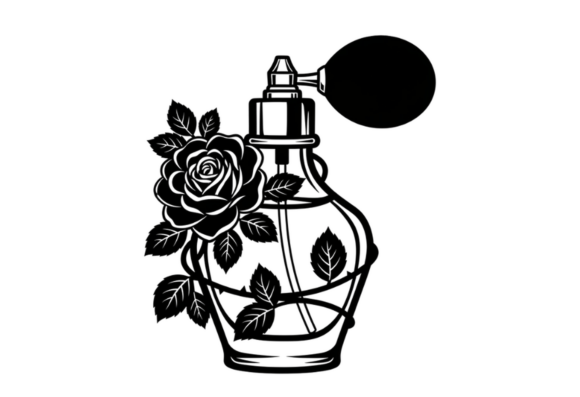
Vintage Perfume Bottle Rose Floral
When I first opened the file for Vintage Perfume Bottle Rose Floral, I didn't just see a graphic; I saw a story waiting to be stitched. As someone who spends their days judging thread density and fabric stability, my initial reaction was one of cautious optimism. The design immediately evokes a sense of nostalgia, blending the delicate structure of an antique perfume bottle with the soft, romantic curves of roses. It is not merely a Crafts or Graphics asset; it is a visual mood that demands specific handling to translate from screen to stitch.
The First Impression: A Mood of Nostalgic Elegance
The layout of Vintage Perfume Bottle Rose Floral strikes a balance between structural geometry and organic flow. Unlike many floral designs that can feel chaotic or overly dense, this piece feels curated. The silhouette of the bottle provides a strong anchor, while the rose elements seem to spill out naturally, suggesting movement without losing definition. For a designer looking to create a handmade product that feels premium, this is exactly the kind of aesthetic that elevates a simple item into a boutique-quality piece.
It creates a specific atmosphere—one of quiet luxury and timeless beauty. When I imagine this design embroidered, it doesn't scream for attention; it whispers. This makes it perfect for projects where subtlety is key, such as a custom apron for a high-end kitchen or a personalized gift for a wedding. The design personality is refined, making it suitable for clients who appreciate vintage charm over modern minimalism.
Real-World Application: From Screen to Stitch
I recently put Vintage Perfume Bottle Rose Floral to the test on a custom tote bag project intended for a local artisan market. My goal was to create a unique tote bag design that would stand out on a crowded table but remain sophisticated enough for everyday use. The challenge lay in translating the digital vector into a tangible texture using actual thread.
On natural canvas or cotton duck fabric, the design performed admirably. The outline of the bottle held its shape well, providing a clear frame for the floral details. However, the success of this embroidery project depended heavily on the choice of thread colors. I opted for muted sage greens and dusty pinks against a cream background. The result was a finished product that looked expensive and thoughtful. Customers at the craft fair immediately gravitated toward items with this level of detail, noting the "vintage" feel of the stitching.
This same approach works beautifully for sweatshirt embroidery on light-colored hoodies. The contrast provided by the dark outlines of the bottle against the heather grey fabric creates a striking look that appeals to young adults looking for unique custom apparel. Furthermore, for those selling on platforms like Etsy, this design serves as an excellent printable mockup element. It allows Etsy sellers to showcase a cohesive brand identity that feels consistent across different product lines, from nursery decor to holiday gifts.
Navigating Technical Challenges
While the aesthetic is strong, every experienced designer knows that beauty must be paired with technical viability. There are specific scenarios where Vintage Perfume Bottle Rose Floral requires careful consideration before hitting the start button on your machine.
If you are working with small hoop sizes, the intricate details of the rose petals might get lost. Tiny curves can become blobby if the stitch density is too high or if the fabric pulls during the process. In these cases, I recommend scaling the design down slightly or simplifying the inner details. Similarly, textured fabrics like heavy terry cloth or thick wool can obscure the fine lines of the bottle's neck and cap. On these materials, a larger scale is essential to ensure the design remains legible.
Stretchy fabrics present another hurdle. If you attempt to embroider this on a thin, stretchy jersey knit without proper stabilization, the tension of the stitches will cause the fabric to pucker, distorting the elegant shape of the perfume bottle. Always use a cutaway stabilizer for stretchy materials to maintain the integrity of the embroidery file. Dark fabrics also require a strategic approach; if the design relies on light threads to show up, you may need to add a layer of underlay or choose a contrasting thread palette to ensure visibility.
Where to Use Caution
- Small Hoop Sizes: Fine details in the rose centers may merge together on tiny areas.
- Textured Fabrics: Thick loops or nubs can hide the precision of the satin stitch.
- Curved Surfaces: Applying this to caps or hats requires precise digitizing to account for curvature.
- Dense Stitch Areas: Ensure the fill stitch isn't so heavy that it causes puckering on lightweight linens.
Impact on Product Value and Brand Perception
In the world of craft business and commercial embroidery, the quality of the design directly influences customer trust. A poorly executed floral pattern can make a small shop product look amateurish, whereas a clean, well-stitched version of Vintage Perfume Bottle Rose Floral signals professionalism. When a buyer sees a crisp, detailed image of a vintage bottle surrounded by lush roses, they perceive value. They understand that care went into the creation of the item.
This design enhances the finished product by adding a layer of sophistication. Whether it is used on a baby onesie, a holiday ornament, or a boutique branding patch, the vintage theme resonates with buyers looking for sentimental or heirloom-quality items. It transforms a generic item into a personalized gift with character. The design assets here do more than just decorate; they tell a story of elegance and tradition, which is highly sought after in the current market for handmade goods.
Practical Designer Notes for Success
Before committing to a full production run, I always advise testing the design on scrap fabric. This step is non-negotiable for any serious embroidery designer. You need to verify how the running stitch and satin stitch interact with your specific fabric type. Check the thread color contrast under various lighting conditions to ensure the details pop.
Review the stitch density carefully. If the design feels too heavy, it may require adjustment to prevent fabric distortion. Confirm your hoop size matches the design dimensions to avoid unnecessary trimming. Inspect the small details, particularly around the bottle cap and the edges of the petals, to ensure they hold their shape. Testing the design in black and white mockups can also help you visualize the contrast levels before investing in colored threads.
Finally, remember to use the proper stabilizer for your fabric weight. A flimsy backing will ruin even the best machine embroidery design. Also, confirm whether the license terms allow for commercial use if you plan to sell the finished items. If you are unsure about the exact stitch count or file compatibility, check the product details provided with the download. Ensuring everything is set up correctly before starting guarantees that your embroidery project results in a professional outcome that your customers will love.