Jungle Elephant Floral Tumbler Review
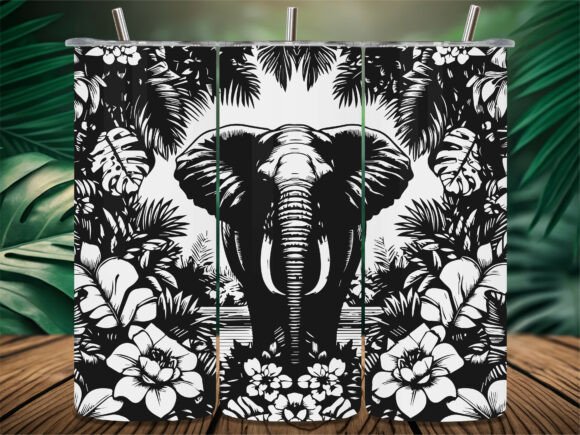
When I first opened the file for Jungle Elephant Floral Tumbler, my initial reaction wasn't about the technical specs or the stitch count. It was about the mood. There is a distinct energy in this design that feels both whimsical and grounded. The juxtaposition of the jungle elephant with delicate floral elements creates a visual rhythm that suggests a story before a single thread touches the fabric. As someone who has spent years reviewing embroidery files for everything from boutique branding to personalized baby gifts, I know that a successful design needs more than just pretty lines; it needs character.
This piece feels like it belongs in a space where nature meets comfort. It isn't aggressive or overly dense; instead, it invites the eye to wander through the leaves and around the trunk of the elephant. For an embroidery designer looking to add a touch of organic charm to their portfolio, this Graphics asset offers a unique opportunity. It bridges the gap between a standard animal motif and a softer, more botanical aesthetic, making it versatile enough for a wide range of applications without feeling generic.
From Digital File to Finished Product: A Real-World Scenario
To truly understand how Jungle Elephant Floral Tumbler performs, we have to move past the screen and into the hoop. Let me walk you through a scenario I recently considered while preparing inventory for a holiday craft fair. Imagine you are an Etsy seller creating a line of custom embroidered aprons for home bakers. You need something that feels artisanal but also fun—a design that makes the wearer smile when they pull it on.
I tested the concept of placing Jungle Elephant Floral Tumbler on a heavy cotton canvas apron. The full-wrap nature of the original laser file translates surprisingly well into a vertical layout suitable for the front bib of an apron. The floral vines could frame the elephant perfectly, creating a border that feels intentional rather than cluttered. When stitched out, the design would likely serve as a focal point that elevates a simple kitchen towel or apron into a premium handmade product.
But let's look at another angle. Consider a small business owner launching a line of nursery decor. This design screams "nursery." The elephant theme is timeless, and the floral accents soften the silhouette, making it perfect for a baby blanket or a pillow cover. If you were to use this as a tote bag design for a mother-baby boutique, the result would be a gift that feels thoughtful and curated. Customers don't just buy a bag; they buy the feeling of a sunny afternoon in the jungle, captured in thread.
Navigating Stitch Density and Fabric Texture
Every great machine embroidery design faces the same challenge: how does it behave on different materials? With Jungle Elephant Floral Tumbler, the detail level is significant. The floral elements require a clean execution to avoid looking muddy. In my experience, this design thrives on stable, medium-to-heavy weight fabrics. Think denim, twill, or tightly woven cotton blends.
If you attempt to stitch this on a stretchy jersey knit or a very thin linen, you might run into issues with puckering, especially if the stitch density is high in certain areas. The fill stitches used for the elephant's body need a solid foundation to stand up properly. Without the right stabilizer, those fills can sink into the fabric, losing their definition. I always advise testing on scrap fabric first to gauge how the threads interact with your specific material.
The contrast between the running stitches in the vines and the satin or fill stitches in the main subject is key here. On a light background, dark threads will pop beautifully, creating a crisp finished product. However, if you plan to use this for commercial embroidery on dark fabrics, you must consider the underlay and the thread colors carefully. A light-colored elephant on a black shirt might get lost if the surrounding details aren't balanced correctly. Always review the thread colors in your digitizing software before committing to a large run.
Where Caution is Required
While this design is robust, there are specific scenarios where Jungle Elephant Floral Tumbler might not be the best choice. Small hoop sizes can be tricky. If you are trying to fit this onto a tiny patch or a child's hat brim, the intricate floral details might get cut off or become too crowded to stitch cleanly. The resolution of the design assumes a certain amount of real estate, so forcing it into a miniature format often results in a loss of quality.
Curved surfaces like caps present another challenge. While the wrap style of the original file is designed for cylindrical objects, translating that curvature into flat embroidery requires careful tension management. If the cap is made of a textured fabric like corduroy or fleece, the fine lines of the flowers may not register clearly. Additionally, for products that need frequent washing, such as workwear or everyday tote bags, ensure that the design is anchored well. Dense stitch areas can sometimes trap lint or water if not stabilized correctly, affecting the longevity of the embroidered patch or garment.
Visual Appeal and Brand Consistency
In the world of craft business and Etsy seller listings, visual appeal is currency. Jungle Elephant Floral Tumbler offers a high level of design assets value because it feels cohesive. When customers see a consistent aesthetic across your small shop product line—whether it's a sweatshirt embroidery collection or a set of holiday embroidery ornaments—they build trust. This design provides that anchor of consistency.
The playful yet elegant vibe of the elephant and florals allows for broad brand application. It works for a boutique selling organic baby clothes just as well as it works for a maker selling eco-friendly home goods. The design doesn't scream "trendy" in a way that will date quickly; instead, it leans into a classic nature theme that remains popular year after year. This makes it a smart investment for digital embroidery file creators looking to expand their library with evergreen items.
For those creating printable mockups to preview their designs, this file is excellent. The clean lines translate well into digital previews, allowing potential buyers to visualize the final embroidery project without needing to stitch it immediately. This clarity helps in marketing, ensuring that the personalized gift you are selling looks exactly as good in the photo as it does in reality.
Practical Notes for the Designer
Before you rush to load this file into your machine, keep these practical tips in mind. First, check the hoop size requirements listed in the file information. Even though the description mentions a "full-wrap," the actual dimensions matter for your specific machine. If the file includes specific instructions for layering, follow them strictly to achieve the intended depth.
Always inspect the small details. Zoom in on the floral stems and the texture of the elephant skin in your editing software. Are there any stray points or loose loops that could cause thread breaks? Testing the design in black and white mockups is a great trick to ensure the contrast holds up before you spend hours threading your machine. Also, confirm whether the license allows for commercial use if you plan to sell finished items. Many designers overlook this step, leading to legal headaches down the road.
Finally, remember that the success of Jungle Elephant Floral Tumbler often comes down to the finishing touches. Press your stitches, trim your threads neatly, and perhaps add a complementary monogram if the design allows. These small efforts turn a good embroidery project into a professional finished product that customers will cherish. Whether you are making a one-off gift for a friend or building a catalog for your next craft fair, this design has the potential to shine with the right preparation.
Ultimately, Jungle Elephant Floral Tumbler is more than just a file; it is a tool for creativity. It invites you to explore the intersection of wildlife and flora, offering a fresh perspective on traditional embroidery motifs. By understanding its strengths and respecting its limitations, you can create stunning pieces that resonate with your audience and elevate your brand.