Hand Drawn Floral Envelope Art Review
As a designer who has spent years stitching, selling, and reviewing embroidery files for real-world projects, I know that the difference between a "nice looking" digital file and a successful finished product often comes down to how well the design translates from screen to fabric. Today, I'm putting Hand Drawn Floral Envelope Art through its paces to see if it deserves a spot in your commercial library or personal stash.
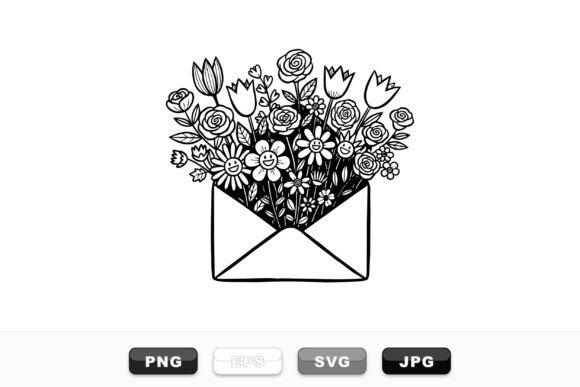
The moment you open this digital embroidery file, the first impression is one of immediate warmth. The black ink line art style displays a cheerful bouquet with smiling daisies and assorted flowers emerging from an open envelope. It evokes joy and simplicity without feeling cluttered or overly complicated. For those of us running craft businesses or Etsy shops, designs that communicate emotion instantly are gold. This piece doesn't just look like flowers; it looks like a message sent with love.
Real-World Application: From Screen to Stitch
I recently tested this design on a custom embroidered tote bag project for a local boutique client. The goal was to create a gift set for a wedding shower where the theme was "letters from the heart." Hand Drawn Floral Envelope Art fit the narrative perfectly. When I imported the file into my digitizing software, I noticed the lines were clean and distinct, which is crucial for maintaining the integrity of the original artwork during the conversion process.
Stitching out the design on a heavy-duty canvas tote revealed something interesting about its versatility. Because the source is described as black ink line art, the resulting embroidery relies heavily on thread color choices to define the shapes. I opted for a soft cream background fabric with multi-colored threads for the daisies and a dark charcoal for the envelope outline. The contrast was striking. The satin stitch used for the flower petals gave them a slight sheen that made the "smiling" faces pop, while the running stitch elements added a delicate, hand-drawn texture that felt authentic rather than machine-made.
This specific aesthetic shines brightest when applied to products that need to feel personal and artisanal. Imagine using this design on a baby onesie for a new parent's registry, or perhaps as a decorative accent on a kitchen towel for a housewarming gift. The imagery of flowers emerging from an envelope suggests growth, communication, and new beginnings. It is far more engaging than a standard floral border because it tells a story. Customers browsing your shop will stop scrolling because the design feels intentional and crafted with care.
Where This Design Fits Best
If you are a small business owner looking to expand your inventory, this design is a strong candidate for several categories:
- Apparel Decor: It works beautifully on sweatshirts and t-shirts, particularly on the left chest area or as a large back print. The simple line work prevents the design from looking too busy on casual wear.
- Home Goods: Pillow covers and tea towels are natural homes for this motif. The "envelope" shape frames nicely on square items, making it perfect for nursery decor or rustic farmhouse styling.
- Accessories: Embroidered patches featuring this design could be sold separately or attached to denim jackets and backpacks. The clear outlines make it ideal for applique variations if you want to add a layer of fabric underneath.
- Holiday Gifts: During the holiday season, this design can be adapted with festive colors (reds, greens, golds) to create limited-edition merchandise that customers perceive as high-value.
Navigating Technical Challenges
While the visual appeal is undeniable, every experienced designer knows that execution is everything. There are specific scenarios where Hand Drawn Floral Envelope Art requires careful handling to ensure the finished product maintains its quality.
First, consider the hoop size. If you plan to use this on small items like caps or hats, you must verify the dimensions of the design before stitching. The intricate details of the "smiling daisies" might get lost or distorted if the design is scaled down too much. On curved surfaces like caps, the tension of the fabric can sometimes cause the fine lines of the envelope to bunch up. Always test on scrap material first to check for puckering.
Fabric selection is another critical factor. This design relies on contrast. On thin fabrics or stretchy knits, the density of the stitches required to hold the shape together might cause the material to warp. For these applications, using a proper stabilizer is non-negotiable. A cut-away stabilizer is recommended for items that will undergo frequent washing, such as aprons or children's clothing, to ensure the design remains crisp over time.
You should also exercise caution with textured fabrics. While a linen tote bag offers a nice rustic vibe, a heavily textured bouclé wool might hide the fine details of the line art. In such cases, the design might appear muddy or indistinct. Similarly, if you are working with dark fabric, ensure you have selected the right underlay and thread colors. The original description mentions black ink line art, but on a navy blue shirt, a black thread outline would disappear entirely. You would need to switch to a contrasting thread color to maintain the visual clarity of the envelope and flowers.
Practical Notes for the Modern Maker
Before you commit to a production run or start listing this item on your Etsy store, there are a few professional steps you must take. First, review the file formats provided. The downloadable ZIP includes SVG, EPS, JPG, and PNG. These are excellent for creating mockups and preparing the design for different machines, but remember that the actual embroidery data needs to be converted to your machine's native format (like .DST or .PES).
Check the stitch density carefully. High-density areas can lead to needle breakage or difficult threading, especially if you are using thinner threads for a delicate look. Inspect the small details, particularly the centers of the daisies and the corners of the envelope. Are they too tight? Will they fill in during stitching? Running a test stitch-out on scrap fabric is the only way to be sure.
Also, consider the licensing terms. If you intend to sell finished items made with this design, confirm whether the license allows for commercial use. Many design assets come with restrictions on how many units you can produce. Furthermore, if you are a digital product seller offering printable mockups, ensure you have the rights to display the design in promotional materials.
Final Verdict on Visual Appeal and Value
In the crowded marketplace of handmade goods, Hand Drawn Floral Envelope Art stands out because it balances professionalism with whimsy. It elevates the perceived value of a product without requiring complex, expensive digitizing techniques. The "joy and simplicity" mentioned in the product description translate directly into customer satisfaction. Buyers appreciate designs that feel unique and thoughtfully composed.
For embroidery designers and creative entrepreneurs, this file is a versatile tool. Whether you are creating a personalized gift for a friend or building a catalog of commercial embroidery options, this design offers a reliable foundation. It handles well on standard cotton blends, looks charming on home decor, and adds a touch of personality to custom apparel.
Just remember to respect the medium. Test your thread colors, choose the right stabilizer, and always do a sample run. When done correctly, Hand Drawn Floral Envelope Art transforms from a simple graphic into a cherished keepsake, proving that good design is not just about how it looks on a screen, but how it feels in your hands after the stitching is complete.