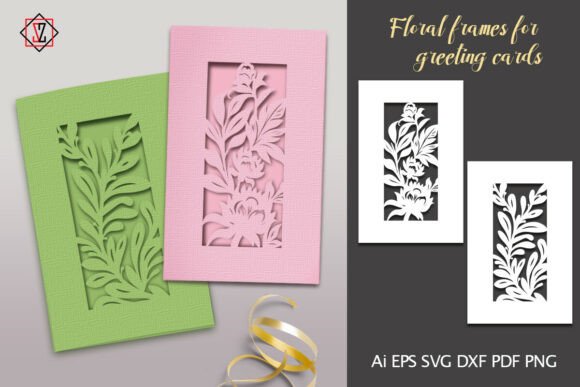
Floral Frames for Greeting Cards Cutting Review
As a designer who has spent years refining the visual language of handmade goods, I approach every new asset with a mix of excitement and skepticism. When Floral Frames for Greeting Cards cutting landed on my desk, I wasn't just looking at a pretty image; I was analyzing its potential as a viable component in a real-world embroidery project. The product description promises an elegant cut-out design perfect for any occasion, but does it hold up when translated from a digital vector to a stitched reality? In this review, I break down exactly how this design performs in the hands of a professional maker.
The First Impression: Mood and Visual Personality
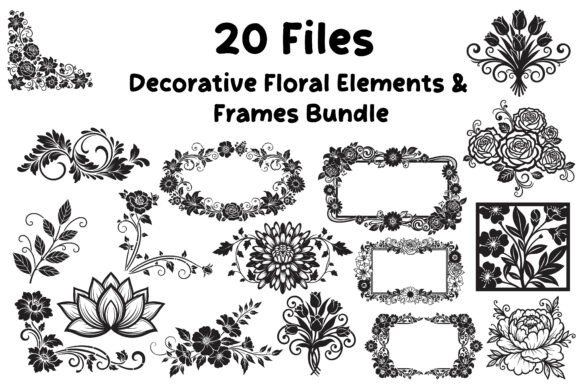
The moment you open the file, the aesthetic is immediately clear. This isn't a bold, graphic logo meant for a streetwear brand; it is delicate, sophisticated, and inherently editorial. The floral elements suggest a softness that aligns perfectly with the "Greeting Cards" aspect of the title. It feels like something you would find on a high-end wedding invitation or a thoughtful anniversary note. For designers specializing in embroidery files that target the boutique market, this design offers a level of refinement that is often missing from generic clip art.
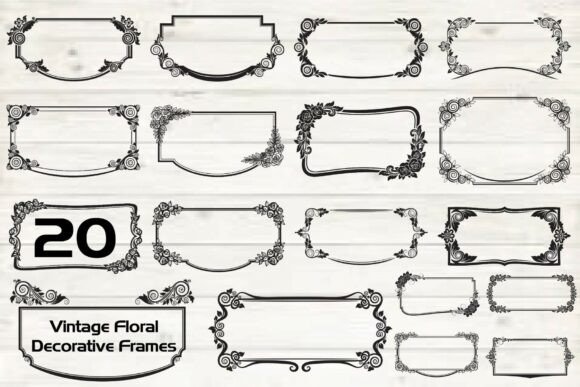
The layout is structured around a frame, which gives it immediate utility. It creates a natural border for text or a central motif without overwhelming the space. When I first laid out the design on a mockup, it felt like it belonged in a nursery setting or on a bridal accessory. The elegance of the cut-out style suggests that the final product should feel airy rather than heavy. However, this delicacy requires careful handling during the digitization process to ensure the lines remain crisp after stitching.
Real-World Application: From Digital to Finished Product
To truly test the mettle of Floral Frames for Greeting Cards cutting, I decided to simulate a commercial scenario. Imagine you are an Etsy seller preparing a collection of custom embroidered tote bags for a local craft fair. You need a design that elevates a simple canvas bag into a premium gift item. This frame design is an ideal candidate for that application.
When applied to a sturdy cotton canvas tote, the floral borders create a polished look that frames a personalized name or a short message beautifully. The design works exceptionally well as an applique design where the frame itself is constructed using satin stitch, allowing the background fabric to show through the negative space. Alternatively, if used as a standard machine embroidery design with fill stitches, it adds a rich texture to the fabric. The versatility here is key for small business owners who want to offer personalized gifts without reinventing the wheel for every order.
I also considered its potential on baby items. A sweatshirt or a onesie featuring this frame could be stunning, particularly if the stitching uses soft pastel threads against a white or cream garment. The design's inherent grace makes it suitable for baby embroidery projects where the goal is to create heirloom-quality pieces. Similarly, for holiday gifts, this frame can serve as a decorative element on kitchen towels or pillow covers, adding a touch of seasonal charm that customers appreciate.
Navigating Technical Challenges and Limitations
While the visual appeal is undeniable, every experienced designer knows that beauty must be balanced with technical feasibility. There are specific scenarios where Floral Frames for Greeting Cards cutting requires caution. The most critical factor is the hoop size. Because the design relies on fine details within a frame structure, attempting to stitch it in a very small hoop might result in lost definition. The curves of the flowers could become distorted if the fabric cannot be held taut enough across the entire perimeter.
Fabric choice is another major consideration. This design thrives on stable fabrics like cotton, linen, or denim. If you attempt to use it on highly textured fabrics, such as thick fleece or bouclé, the needle may struggle to penetrate the material cleanly, leading to puckering or skipped stitches. Furthermore, stretchy fabrics like jersey require a stabilizer system that is robust enough to prevent the design from distorting as the garment moves. Without proper stabilization, the elegant lines of the frame could warp, ruining the professional finish.
Dark fabrics present their own set of challenges. If the design relies on negative space (cut-outs), the contrast between the thread color and the fabric becomes crucial. On dark backgrounds, you will likely need a lighter thread color or a backing layer to ensure the frame stands out. Additionally, the detailed corners of the frame can be tricky. If the stitch density is too high, the corners may bunch up, creating unsightly lumps. If it is too low, the shape may lose its structural integrity. Testing on scrap fabric is non-negotiable before committing to a client's order.
Impact on Brand Value and Customer Perception
In the world of craft business and Etsy sellers, the quality of the embroidery speaks volumes about your brand. A design like Floral Frames for Greeting Cards cutting, when executed correctly, signals attention to detail and a commitment to quality. Customers are willing to pay a premium for products that look professionally finished. The clean lines and thoughtful composition of this design enhance the perceived value of the handmade product.
It also plays a significant role in branding consistency. If you run a shop focused on stationery-inspired home decor or wedding accessories, having a cohesive library of designs like this helps establish a recognizable style. When a customer sees a series of products featuring similar elegant framing, they begin to associate that aesthetic with your brand. This recognition is vital for building trust and encouraging repeat purchases.
Furthermore, the design's adaptability allows for creative marketing strategies. You can create printable mockups that showcase the design on various items, from aprons to caps, giving potential buyers a clear vision of the finished product. This visual clarity reduces hesitation and increases conversion rates for commercial embroidery projects.
Practical Notes for the Design Professional
Before you import this asset into your embroidery software, there are several steps you must take to ensure success. First, always check the stitch density provided by the creator. If the density is too high for the intended fabric weight, the design will be stiff and prone to breaking. Adjustments may be necessary to balance the look with the feel of the final piece.
Review the thread colors in your software. The default palette might not work for every project, so be prepared to swap colors to match your specific fabric choices. It is also wise to inspect the design in black and white mode to ensure that the contrast holds up regardless of the thread hue. This step helps identify areas where the design might get lost or appear muddy.
Confirm the licensing terms before selling any items made with this design. Some digital embroidery files come with restrictions on commercial use, while others allow you to sell unlimited finished products. Understanding these terms protects your small shop product line from legal issues. Finally, always test the design on a variety of fabrics, including light and dark options, to see how the fabric texture interacts with the stitches.
Ultimately, Floral Frames for Greeting Cards cutting is a versatile tool for the modern maker. It bridges the gap between digital graphics and tactile craftsmanship, offering a foundation for beautiful, functional art. By approaching it with technical rigor and creative vision, you can transform a simple frame into a standout feature of your next collection.