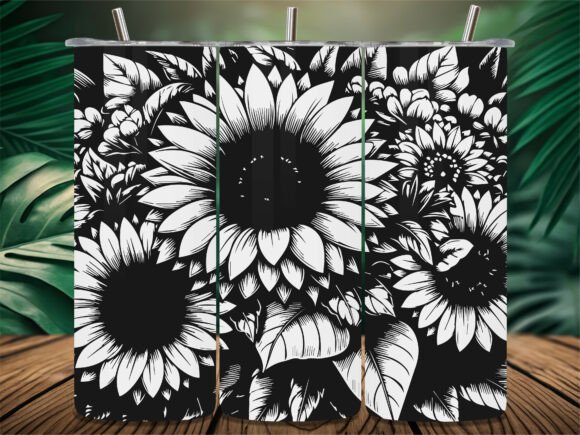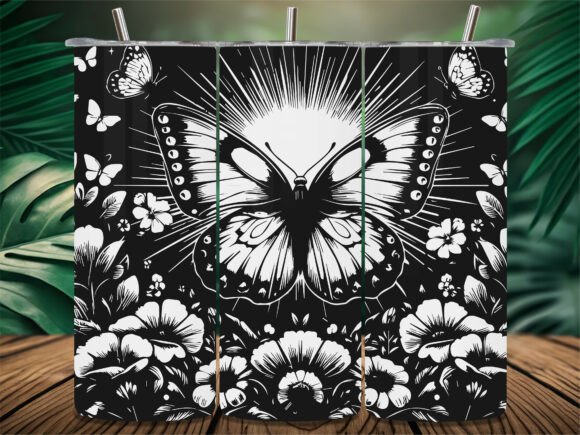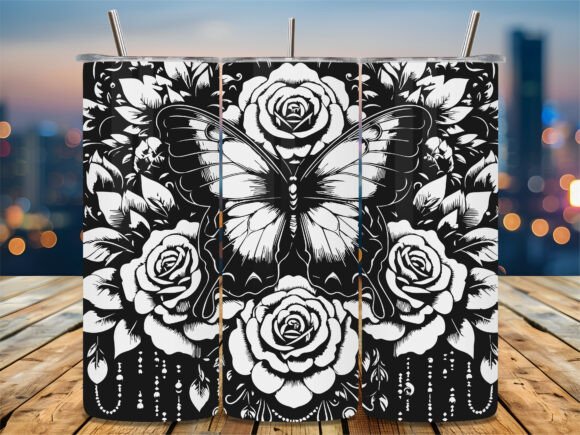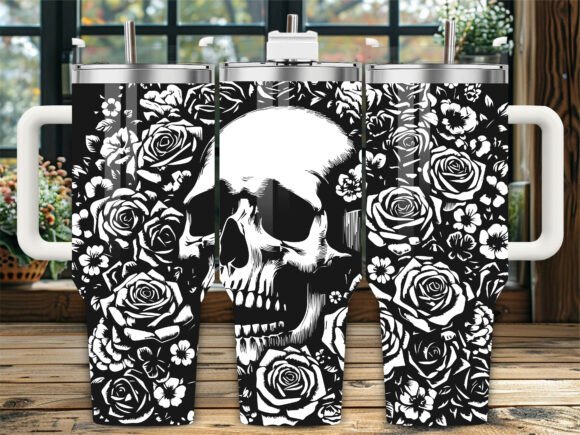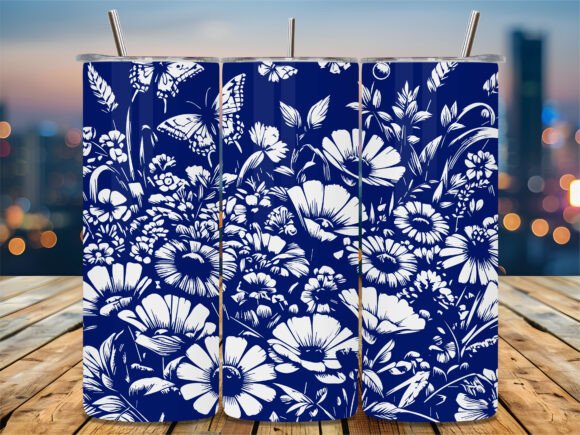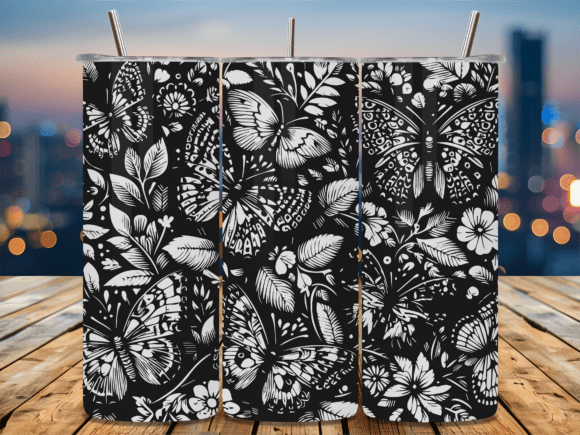
Floral Butterfly Pattern Tumbler: A Designer's Review
When I first opened the file for Floral Butterfly Pattern Tumbler, my immediate reaction was a mix of curiosity and caution. As someone who has spent years stitching out designs for clients ranging from boutique owners to hobbyist crafters, I know that a pretty image on a screen does not always translate into a beautiful stitched piece. The title suggests a specific application, but the visual personality of the design hints at a much broader potential for handmade goods. This review is not just about whether the file works; it is about how this specific embroidery project fits into the real-world workflow of a small business or creative entrepreneur.
The First Impression: Mood and Visual Personality
The name Floral Butterfly Pattern Tumbler implies a delicate balance between nature and structure. From a design perspective, the layout feels grounded yet airy. It avoids the cluttered look that often plagues mass-produced digital assets. Instead, it offers a clean aesthetic that speaks to modern minimalism while retaining the charm of traditional hand-stitched work. For an embroidery designer, the most critical element here is the visual weight. Does it feel too heavy for a baby onesie? Is it too sparse for a large tote bag? The initial scan suggests it hits a sweet spot, offering enough detail to be interesting without becoming a logistical nightmare during the stitching process.
The theme naturally evokes feelings of spring, renewal, and gentle growth. It creates a mood that is welcoming and warm, making it an ideal candidate for gifts, nursery decor, or boutique branding. When you look at the graphics provided, the lines appear smooth, suggesting that the underlying vector data is precise. This precision is crucial because it dictates how the machine will interpret the curves of the butterfly wings and the petals of the flowers. If the file is truly precision-made, as claimed, we should expect clean edges and a lack of jagged artifacts that can ruin a finished product.
Real-World Application: From Screen to Stitch
I decided to test the versatility of this design by imagining it on various substrates. Let us say I am preparing a custom line of embroidered patches for a local craft fair. The Floral Butterfly Pattern Tumbler would work exceptionally well here. The organic shapes of the butterflies allow for excellent use of satin stitch to create a glossy, raised texture that catches the light. On a felt backing, this design would pop with a professional finish that customers immediately recognize as high quality.
Consider the scenario of creating personalized gifts for a holiday market. Imagine applying this design to a kitchen towel or a linen apron. The floral elements lend themselves perfectly to home goods, adding a touch of elegance without overwhelming the fabric. For a custom apparel project, such as a sweatshirt embroidery placement on the chest or back, the design offers a focal point that draws the eye. The balance of negative space allows the garment to breathe, preventing the "heavy" look that often discourages buyers from purchasing embroidered items.
However, the true test lies in its adaptability. Could this work for baby embroidery? Absolutely. The soft, rounded shapes are safe for delicate skin and visually soothing for parents looking for nursery decor like pillow covers or blanket accents. The design also translates well to tote bag design applications, where a durable, clear image is essential for everyday use. Whether used for commercial embroidery or personal projects, the embroidery file demonstrates a level of thoughtfulness that suggests it was created with actual production in mind, rather than just as a decorative asset.
Where Caution is Required
Despite its strengths, no design is universal. There are specific scenarios where Floral Butterfly Pattern Tumbler requires careful consideration. Small hoop sizes present a challenge; if the design contains intricate details in the corners, shrinking it down too far might cause the stitches to merge, losing definition. I advise checking the stitch density before committing to a tiny cap or a small patch. High density on a small area can lead to puckering, especially if the stabilizer is not adequate.
Fabric texture is another critical factor. While this design shines on stable fabrics like cotton twill or denim, it may struggle on highly textured materials like bouclé or loose-weave linens. The machine needle might have difficulty piercing these fabrics cleanly, leading to skipped stitches. Furthermore, stretchy fabrics require extra care. Without proper stabilizer usage, the tension of the fill stitch could distort the fabric, causing the butterfly pattern to warp after washing. Dark fabrics also demand attention; ensure your thread color choices provide sufficient contrast against the background, or the fine details of the running stitch might get lost.
Curved surfaces, such as caps, add another layer of complexity. While the design is likely optimized for flat surfaces, transferring it to a curved brim or crown requires repositioning and potentially resizing. If the design includes any tiny lettering or minute decorative accents, these are the first elements to disappear on a curved surface. Always inspect the small details closely before finalizing the setup.
Impact on Product Value and Brand Consistency
For an Etsy seller or a small shop product owner, the quality of the embroidery directly impacts customer trust. A poorly executed design can make a handmade item look cheap, regardless of the price point. Conversely, a clean, well-executed Floral Butterfly Pattern Tumbler elevates the perceived value of the finished product. Customers are willing to pay more for items that show attention to detail, such as consistent thread colors and sharp outlines.
This design supports brand consistency beautifully. Its elegant style fits well with brands focused on wellness, nature, or artisanal crafts. It creates a cohesive look across different products, from holiday embroidery cards to personalized gifts. When buyers see a recognizable, high-quality motif across multiple items, they are more likely to return. The design acts as a visual anchor, reinforcing the professionalism of the maker.
Practical Notes for the Designer
Before you rush to start your next embroidery project, there are a few practical steps to ensure success. First and foremost, test the design on scrap fabric. This simple step can save hours of frustration and wasted materials. Check the thread color contrast against both light and dark backgrounds to ensure visibility. Review the stitch density in your digitizing software; if it seems too high for your intended fabric, consider adjusting the settings or using a lighter stabilizer.
Confirm your hoop size matches the design dimensions to avoid cropping important elements. Inspect small details closely, perhaps by zooming in on the digital embroidery file or printing a mockup. Compare the design in black and white to ensure the shapes remain distinct even without color. Use proper stabilizer to prevent distortion, and verify whether the license allows for commercial use if you plan to sell the finished items.
Finally, do not assume the file is perfect for every machine. While the description mentions precision, machine calibration varies. Test run the design on a neutral fabric to check for any alignment issues. By taking these precautions, you ensure that the Floral Butterfly Pattern Tumbler delivers the professional results it promises. Whether you are creating a handmade product for a loved one or scaling up for a craft business, this design offers a solid foundation for creating something truly special.